
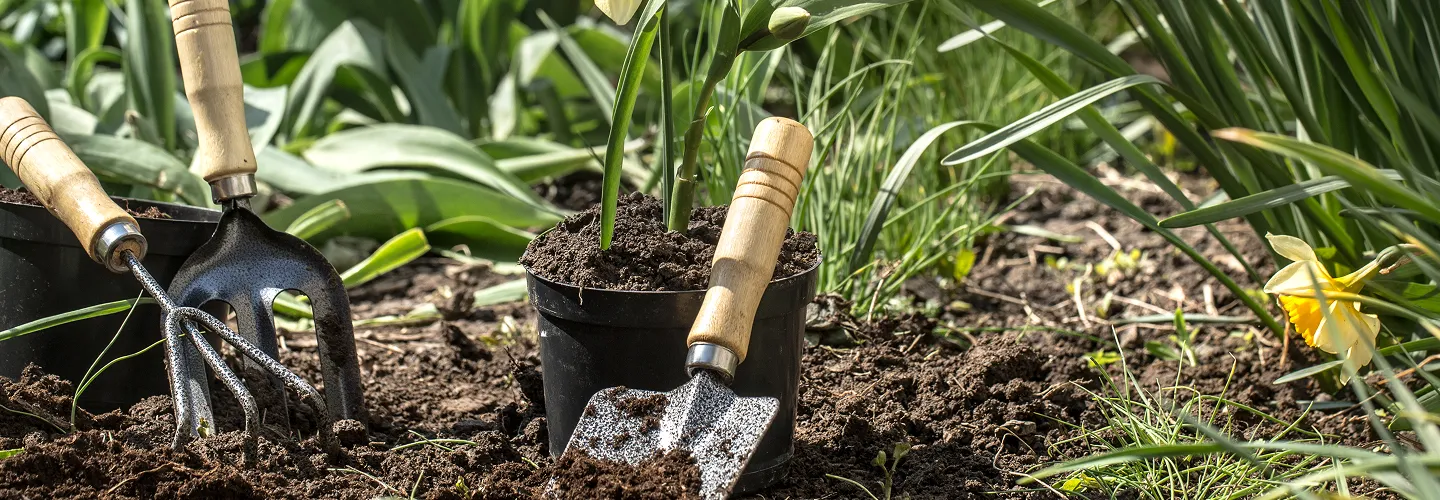
Palm Harbor Flower Planting Services
Choose our Flower Planting services for vibrant, expertly arranged blooms that enhance your curb appeal and thrive in Palm Harbor’s unique climate—bringing lasting beauty to your home or business.
Get a Free QuoteOur Palm Harbor Landscaping & Yard Care Services
When to Schedule Flower Planting in Palm Harbor, Florida – Seasonal Guide
Flower planting in Palm Harbor, Florida, is best scheduled with careful attention to our unique Gulf Coast climate and the specific needs of your landscape. The ideal planting windows are typically late winter through early spring and again in early fall, when temperatures are moderate and rainfall is more predictable. These periods help new blooms establish strong roots before the intense summer heat or occasional winter chills. In neighborhoods like Crystal Beach and along the Lake Tarpon corridor, microclimates can influence planting times, so it’s important to consider your property’s exposure to sun, shade, and prevailing winds.
Local environmental factors such as the last frost date—usually in late January—play a crucial role in timing. Palm Harbor’s sandy soils drain quickly, which is beneficial for many annuals but may require soil amendments for moisture-loving varieties. Areas near Pop Stansell Park or along Alt 19 may experience higher humidity and salt exposure, impacting flower selection and care. For more information on local planting guidelines, visit the Sudbury municipal resource.
Local Factors to Consider for Flower Planting in Palm Harbor
- Tree density and shade coverage on your property
- Soil type and drainage, especially in coastal or low-lying areas
- Seasonal precipitation patterns and drought risk
- Proximity to saltwater or brackish environments
- Municipal restrictions or neighborhood association guidelines
- Terrain variations, such as slopes or raised beds
Benefits of Flower Planting in Palm Harbor
Expert Local Knowledge
Customized Landscape Designs
Seasonal Plant Selection
Enhanced Curb Appeal
Eco-Friendly Practices
Reliable Maintenance Services
Palm Harbor Flower Planting Types

Annual Flower Beds
Seasonal color with vibrant annuals for dynamic landscape displays.
-
Perennial Gardens
Long-lasting blooms that return year after year for low-maintenance beauty.
-
Native Flower Plantings
Eco-friendly choices that thrive in Palm Harbor’s climate and support local wildlife.
-
Pollinator Gardens
Flower beds designed to attract bees, butterflies, and other pollinators.
-
Shade Flower Beds
Specialized plantings for areas with limited sunlight.
-
Container Flower Arrangements
Versatile and movable flower displays for patios and entryways.
-
Drought-Tolerant Flower Beds
Low-water plantings ideal for sustainable landscaping.
Our Flower Planting Process
Site Evaluation
Soil Preparation
Plant Selection
Careful Planting
Watering and Mulching
Why Choose Palm Harbor Landscape Services
-
Palm Harbor Homeowners Trust Us
-
Expert Lawn Maintenance
-
Reliable Scheduling
-
Competitive Pricing
-
Professional Team
-
Satisfaction Guarantee
-
Personalized Service
Coordinating Flower Planting with Palm Harbor Parks and Recreation and Community Development
Flower planting in Palm Harbor often involves coordination with both the Parks and Recreation Department and the Community Development Department, especially for projects in public spaces, medians, or neighborhood entrances. For plantings on public property or within community common areas, residents and property managers should consult with Palm Harbor Parks and Recreation to ensure plant selection and placement align with local landscape standards and maintenance schedules. For private property, the Community Development Department may review plans for compliance with land use and site development codes, particularly in areas with HOA oversight or near public rights-of-way. When planning a project, it is advisable to:
- Confirm if the planting area is public, private, or within a right-of-way
- Review any HOA or subdivision-specific landscape guidelines
- Coordinate with the appropriate municipal department for review or approval if required
Palm Harbor Parks and Recreation
Palm Harbor, FL
Official Website: Palm Harbor Parks and Recreation(phparksandrec.org)
Pinellas County Planning and Redevelopment - Downtown Palm Harbor
Palm Harbor, FL
Official Website: Pinellas County Planning and Redevelopment - Downtown Palm Harbor(pinellas.gov/pinellas-county-florida-downtown-palm-harbor/)
How Palm Harbor’s Gulf Coast Climate and Soils Shape Flower Planting
Palm Harbor is situated on Florida’s Gulf Coast, characterized by a humid subtropical climate, high summer temperatures, and a pronounced wet season from June through September. These conditions directly influence flower planting success:
- Soils are predominantly sandy and well-drained, as confirmed by the USDA Web Soil Survey, which means rapid drying and potential nutrient leaching
- The area falls within USDA Hardiness Zone 10a, supporting a wide range of subtropical and tropical flowering species but requiring attention to heat and humidity tolerance
- Proximity to the Gulf and local water bodies increases salt exposure and runoff sensitivity, especially near canals, swales, and storm drains
- High rainfall during the wet season can lead to temporary flooding or waterlogged beds, while the dry season may require supplemental irrigation Selecting regionally adapted, salt-tolerant, and drought-resilient species is essential for sustainable flower beds in Palm Harbor.
Regulatory Considerations and Environmental Compliance for Flower Planting in Palm Harbor
Flower planting in Palm Harbor must comply with both local and state regulations designed to protect water quality and community character. Key considerations include:
- Planting in public rights-of-way or common areas may require review by the Community Development Department
- Runoff from fertilized or mulched beds must be managed to prevent nutrient discharge into storm drains, canals, or lakes, in accordance with Florida Statutes §403.9337 and Florida DEP NPDES Stormwater Program
- Use of pesticides or herbicides in flower beds is regulated under FDACS Pesticide Applicator Certification and Licensing
- Irrigation schedules may be subject to local water restrictions, which can vary by utility and drought stage
Pinellas County Environmental Management
Pinellas County, FL
Official Website: Pinellas County Environmental Management(pinellas.gov/department/environmental-management/)
Professional Flower Planting Methods and Seasonal Timing in Palm Harbor
Effective flower planting in Palm Harbor requires careful attention to timing, soil preparation, and irrigation management. Professional standards include:
- Planting annuals and perennials during the cooler months (October through April) to avoid transplant shock from summer heat
- Amending sandy soils with organic matter to improve moisture retention and nutrient availability
- Installing mulch at a depth of 2-3 inches to moderate soil temperature, suppress weeds, and reduce runoff, as recommended by UF/IFAS Gardening Solutions
- Grouping plants by water needs (hydrozoning) to maximize irrigation efficiency and comply with EPA WaterSense Outdoors guidance
- Avoiding placement of flower beds where runoff could carry soil or fertilizer into storm drains or water bodies Routine inspection and maintenance are necessary to address weed pressure, irrigation emitter function, and mulch replenishment.
What Neighborhoods Do We Serve Throughout Palm Harbor, FL?
- Ozona: Known for its mature landscaping and proximity to coastal waters, Ozona requires salt-tolerant plantings and careful drainage management.
- Crystal Beach: This waterfront area features smaller lots and exposure to salt spray, making plant selection and irrigation efficiency critical.
- Highland Lakes: With larger lots and established shade trees, Highland Lakes presents opportunities for layered flower beds and shade-adapted species.
- Lansbrook: Newer subdivisions in Lansbrook often have fill-based soils and HOA landscape guidelines, requiring compliance with community standards.
- Downtown Palm Harbor: Urban core lots may have compacted soils and limited planting space, emphasizing the need for soil amendment and runoff control.
- Patty Ann Acres: Residential areas with moderate lot sizes and mixed sun/shade exposure benefit from diverse, regionally adapted flower palettes.
- Westlake Village: This neighborhood’s extensive greenways and pond adjacency require attention to stormwater-sensitive planting and buffer maintenance.