
Palm Harbor Weeding Services
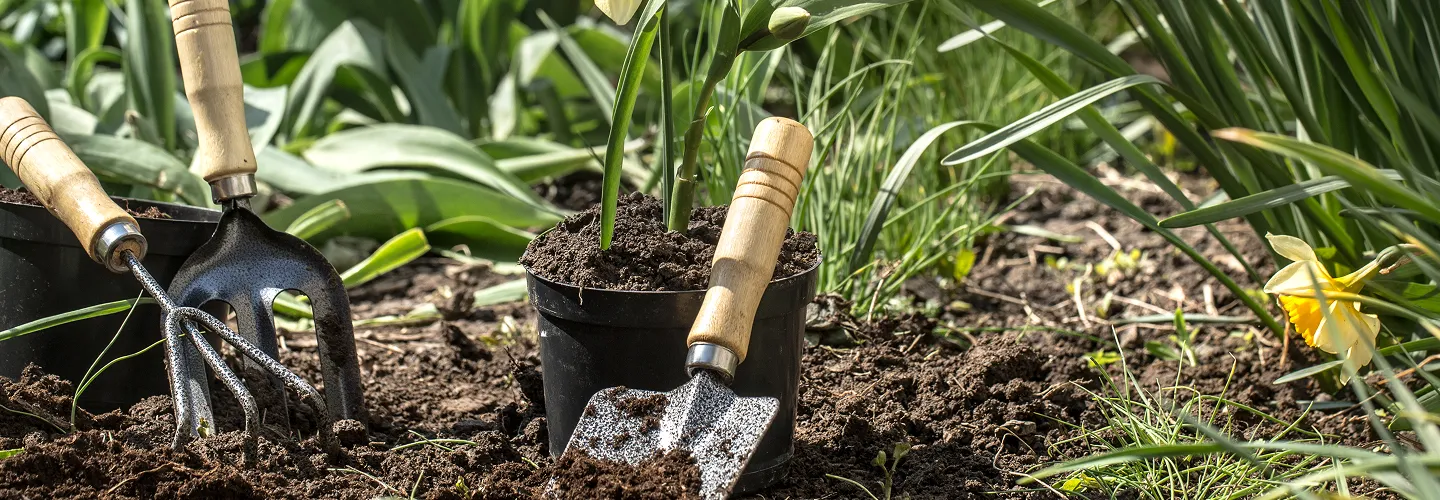
Choose our professional weeding services for a healthier, more beautiful landscape—our experienced team removes unwanted growth efficiently, ensuring your plants thrive and your yard stays immaculate.
Get a Free QuoteOur Palm Harbor Landscaping & Yard Care Services
When to Schedule Weeding in Palm Harbor, Florida – Seasonal Guide
In Palm Harbor, Florida, the best times to schedule weeding are shaped by our unique subtropical climate and the specific needs of local landscapes. With mild winters and hot, humid summers, weed growth can be persistent year-round, but the most effective weeding is typically done in early spring and late fall. These periods coincide with moderate temperatures and increased soil moisture, making it easier to remove weeds before they become established. Neighborhoods near John Chesnut Sr. Park or along Lake Tarpon often experience higher humidity and denser shade, which can influence weed types and growth rates.
Local environmental factors such as the last frost date—usually in late January—drought risk during late spring, and the sandy, well-draining soils common in areas like Crystal Beach all play a role in determining the optimal weeding schedule. Homeowners should also consider municipal guidelines and seasonal rainfall patterns, which can affect both weed proliferation and the timing of landscape maintenance. For more information on local environmental resources, visit the Sudbury town website.
Local Factors to Consider for Weeding in Palm Harbor
- Tree density and shade coverage (e.g., mature oaks in Ozona)
- Soil type and drainage (sandy soils near the Gulf)
- Seasonal precipitation and humidity
- Proximity to water bodies (increased weed pressure near Lake Tarpon)
- Municipal restrictions or neighborhood association guidelines
- Terrain and accessibility of landscape beds
Benefits of Weeding in Palm Harbor
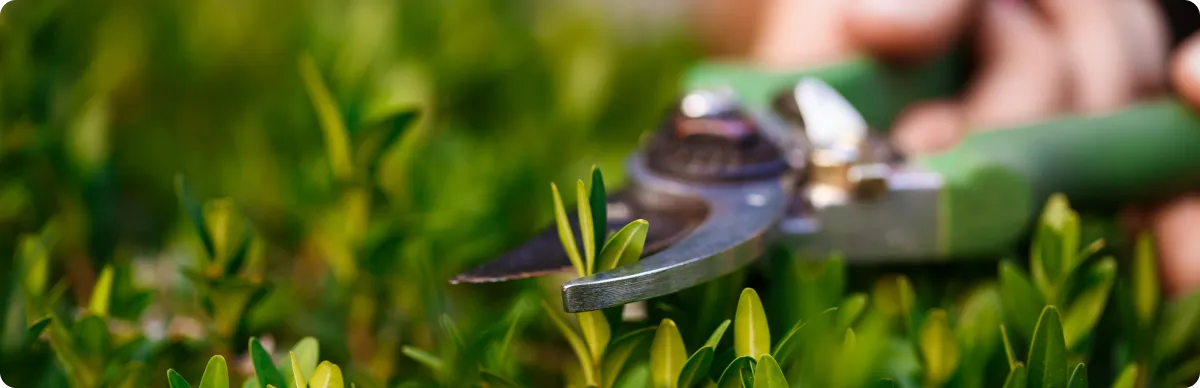
Enhanced Curb Appeal
Healthier Plant Growth
Reduced Pest Infestation
Improved Soil Quality
Professional and Reliable Service
Time and Effort Savings
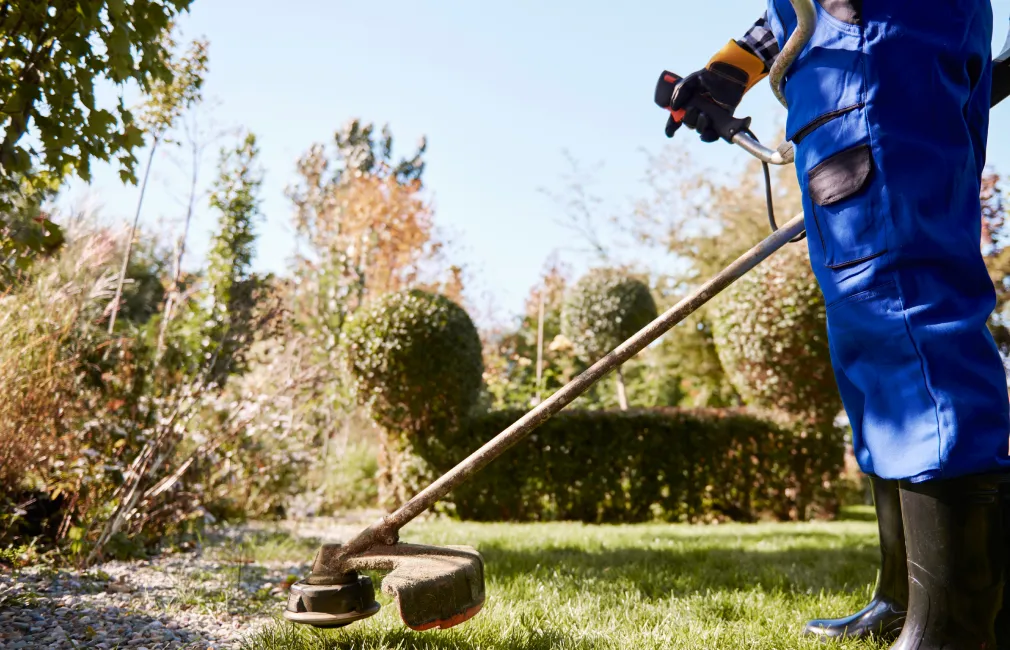
Palm Harbor Weeding Types

Hand Weeding
-
Mulch Application
-
Pre-Emergent Weed Control
-
Post-Emergent Herbicide Treatment
-
Landscape Fabric Installation
-
Mechanical Weed Removal
-
Selective Weed Spraying
Our Weeding Process
Site Evaluation
Weed Identification
Targeted Removal
Soil Treatment
Final Inspection
Why Choose Palm Harbor Landscape Services
-
Palm Harbor Homeowners Trust Us
-
Expert Lawn Maintenance
-
Reliable Scheduling
-
Competitive Pricing
-
Professional Team
-
Satisfaction Guarantee
-
Personalized Service
Coordinating Weeding Services with Palm Harbor’s Public Works and Parks Divisions
Effective weeding in Palm Harbor requires coordination with municipal operations, particularly for the disposal of vegetative debris and the protection of public infrastructure. Residents and property managers must ensure that all pulled weeds, trimmings, and organic debris are properly contained and placed for collection according to Pinellas County’s yard waste guidelines. Debris should never be left in swales, on storm drains, or along canal edges, as this can obstruct drainage and contribute to water quality issues. For public parks, medians, and greenways, the Parks and Recreation Department oversees landscape maintenance standards, including weed suppression and removal in community spaces. When planning large-scale weeding or landscape cleanups, it is advisable to coordinate with the appropriate municipal department to confirm collection schedules and avoid inadvertent violations.
- Place all weeding debris in approved containers or bundles for curbside pickup
- Avoid depositing plant material in drainage inlets, swales, or water-adjacent areas
- For public spaces, verify maintenance standards with the Parks and Recreation Department
Pinellas County Public Works Department
Clearwater, FL
Official Website: Pinellas County Public Works Department
Palm Harbor Parks and Recreation
Palm Harbor, FL
Official Website: Palm Harbor Parks and Recreation
How Palm Harbor’s Gulf Coast Climate and Soils Shape Weeding Needs
Palm Harbor is situated within the Gulf Coast Florida context, characterized by a humid subtropical climate, high summer rainfall, and sandy coastal soils. These conditions directly influence weed growth and management:
- The region’s extended wet season, typically from June through September, triggers rapid weed flushes, especially after heavy rains.
- Sandy and fill-based soils, common throughout Palm Harbor subdivisions, allow for quick drainage but also promote weed seed germination and make hand-pulling easier, though persistent species may require repeated removal.
- Proximity to canals, retention ponds, and stormwater swales means that runoff from weeding activities can quickly reach sensitive water bodies, increasing the importance of runoff-safe practices.
Additionally, high humidity and warm temperatures support aggressive weed species, requiring vigilant monitoring and timely intervention. Irrigation dependence in drier months can also create microclimates that favor certain weeds, especially in overwatered or poorly drained areas. For more on local soils, consult the USDA Web Soil Survey.
Regulatory Requirements and Environmental Compliance for Weeding in Palm Harbor
Weeding activities in Palm Harbor are subject to both municipal and state-level regulations designed to protect water quality and public health. The use of chemical weed control products, such as herbicides, is regulated under FDACS Pesticide Applicator Certification and Licensing, and only licensed applicators may apply restricted-use products. Additionally, the Florida DEP NPDES Stormwater Program requires that all landscape maintenance, including weeding, be conducted in a manner that prevents debris and chemicals from entering storm drains, canals, or other water bodies.
- Never rinse soil, weeds, or herbicide residues into storm drains or swales
- Confirm that any chemical applications are performed by licensed professionals
- Large-scale landscape changes may require review by the county’s Environmental Management division
Pinellas County Environmental Management
Clearwater, FL
Official Website: Pinellas County Environmental Management
Professional Weeding Methods, Timing, and Standards for Palm Harbor Landscapes
Professional weeding in Palm Harbor emphasizes both manual and chemical methods, with timing and technique adapted to local climate and site conditions. Hand-pulling is most effective before weeds set seed, particularly after rainfall when sandy soils are moist and roots are easier to remove. For persistent or invasive species, targeted herbicide applications may be warranted, but only by licensed applicators and with strict attention to drift and runoff prevention. Mulching beds with 2-3 inches of organic material helps suppress weed emergence and moderates soil moisture, reducing the need for frequent intervention. According to UF/IFAS Gardening Solutions, regular inspection of beds and turf edges is essential, especially during the wet season when weed pressure peaks.
- Schedule hand weeding after rain events for easier root removal
- Apply mulch to maintain weed suppression and soil health
- Use pre-emergent controls before the onset of the wet season, if appropriate
- Inspect and maintain bed edges to prevent weed encroachment into turf or hardscape
What Neighborhoods Do We Serve Throughout Palm Harbor, FL?
- Ozona: Features mature landscaping and large lots, with many properties adjacent to canals and tidal inlets, requiring careful debris management.
- Crystal Beach: Coastal exposure and sandy soils make for rapid weed growth and unique salt-tolerant weed species.
- Highland Lakes: Known for its extensive irrigation systems and HOA-managed common areas, which demand consistent weed suppression.
- Lansbrook: Newer subdivisions with fill-based soils and retention ponds, where runoff control and swale protection are critical.
- Downtown Palm Harbor: Older lots with established shade trees and mixed drainage, requiring tailored weeding approaches for both sun and shade.
- Patty Ann Acres: Typical suburban lots with moderate shade and proximity to stormwater basins, necessitating regular edge maintenance.
- Westlake Village: Large, wooded lots with mature plantings and a mix of sun and shade, presenting diverse weed management challenges.